


Salt, Sand, and Sun: Landscaping Challenges Unique to Sarasota Homes
If your favorite letter is S, you’ve come to the right place.
We’re talking about Sarasota sun, sand and salt.
It’s a super sensitive subject if you want your landscaping to be stupendous.
Ask any Florida homeowner: What are the main Sarasota landscaping challenges? Sand. Salt. Sun. And maybe aphids, but they don’t start with S, so they’re not in this club.
Let’s learn about some Florida coastal landscaping tips to help you deal with the big three S words, including:
Sandy Soil Gardening in Sarasota
Your yard is basically a beach disguised as a yard.
Remember building sandcastles at the beach, and marveling at how fast that beach pail of water disappeared as soon as you dumped it into your castle’s moat?
Well, that same magic is happening whenever you water your lawn. Only it’s not as cool now.
Water drains right through sand, much faster than it drains through other types of soil. It’s definitely one of the frustrating Sarasota landscaping challenges.
How is your thirsty lawn supposed to thrive when the sand drinks all of its water?
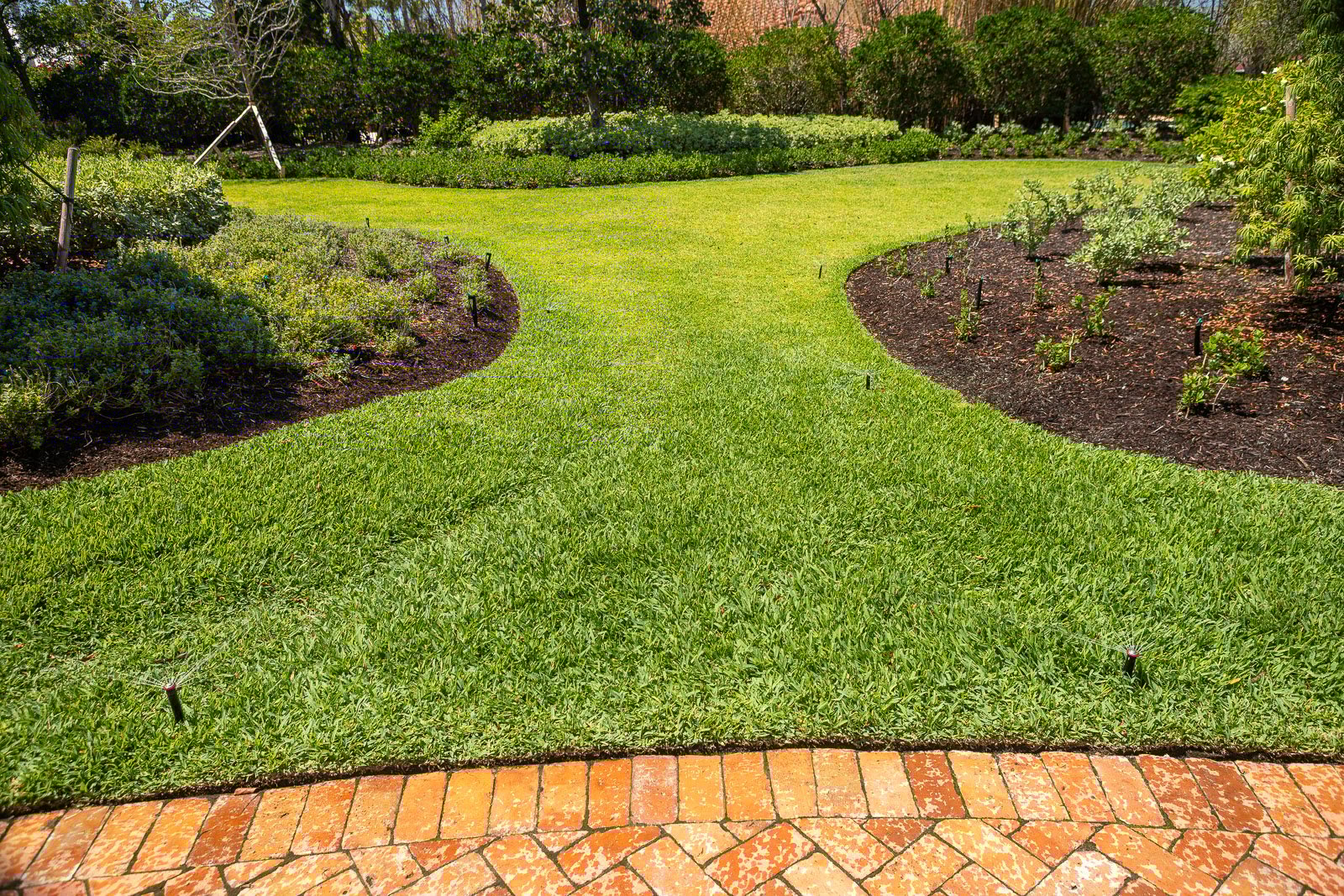
Meet another S word: strategy. Let’s take a look:
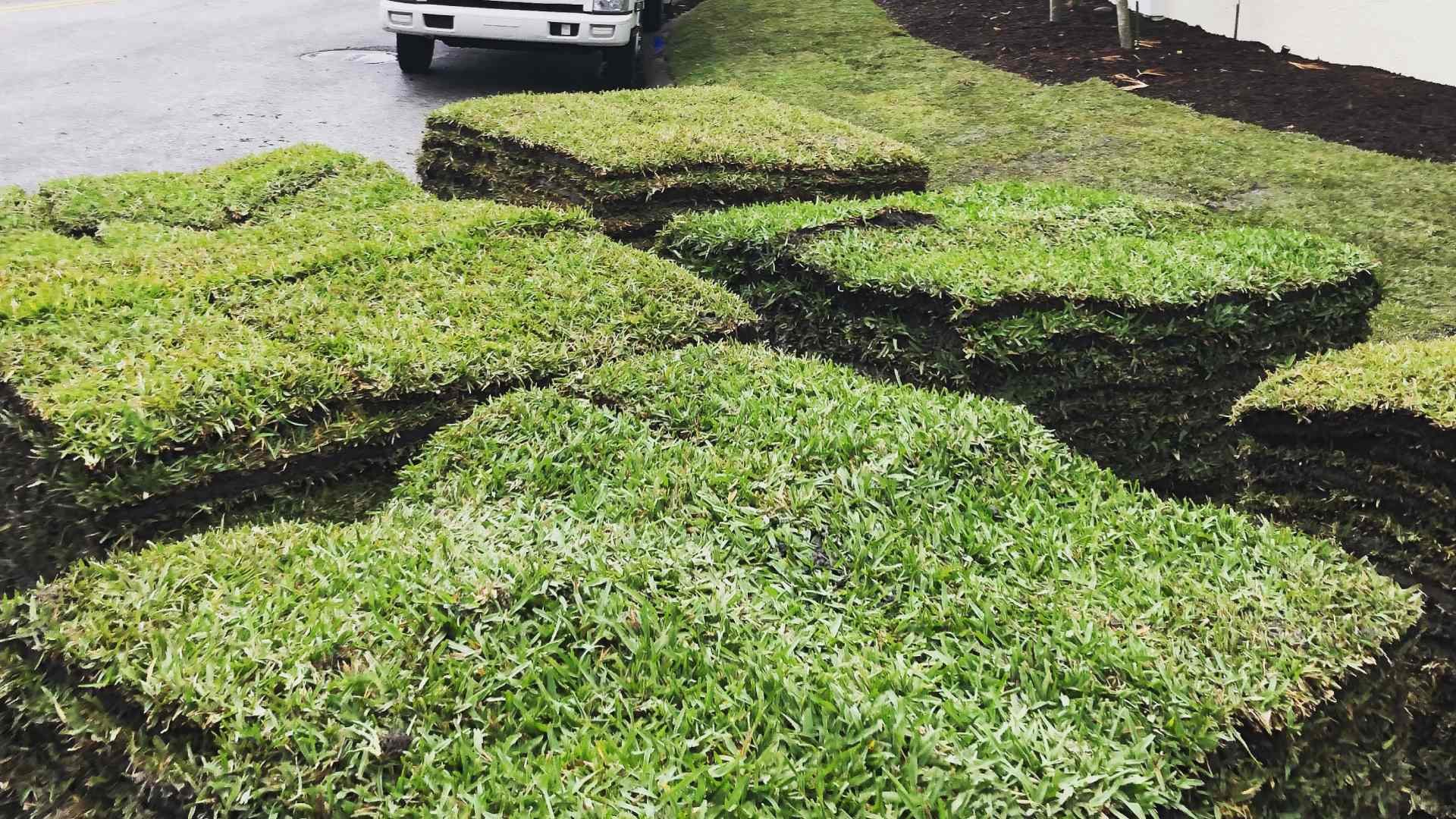
First, Choose the Right Sod
There’s a reason you see St. Augustine grass growing in so many Sarasota lawns.
St. Augustine actually prefers sandy, well-drained soil. It loves lots of oxygen, so it’s happier in loose, sandy soil than in more compact types.
If you have full sun all day, go with St. Augustine Floratam. If your lawn is shadier, opt for a different variety, like Bitter Blue or CitraBlue.
Next Up: Water Strategically
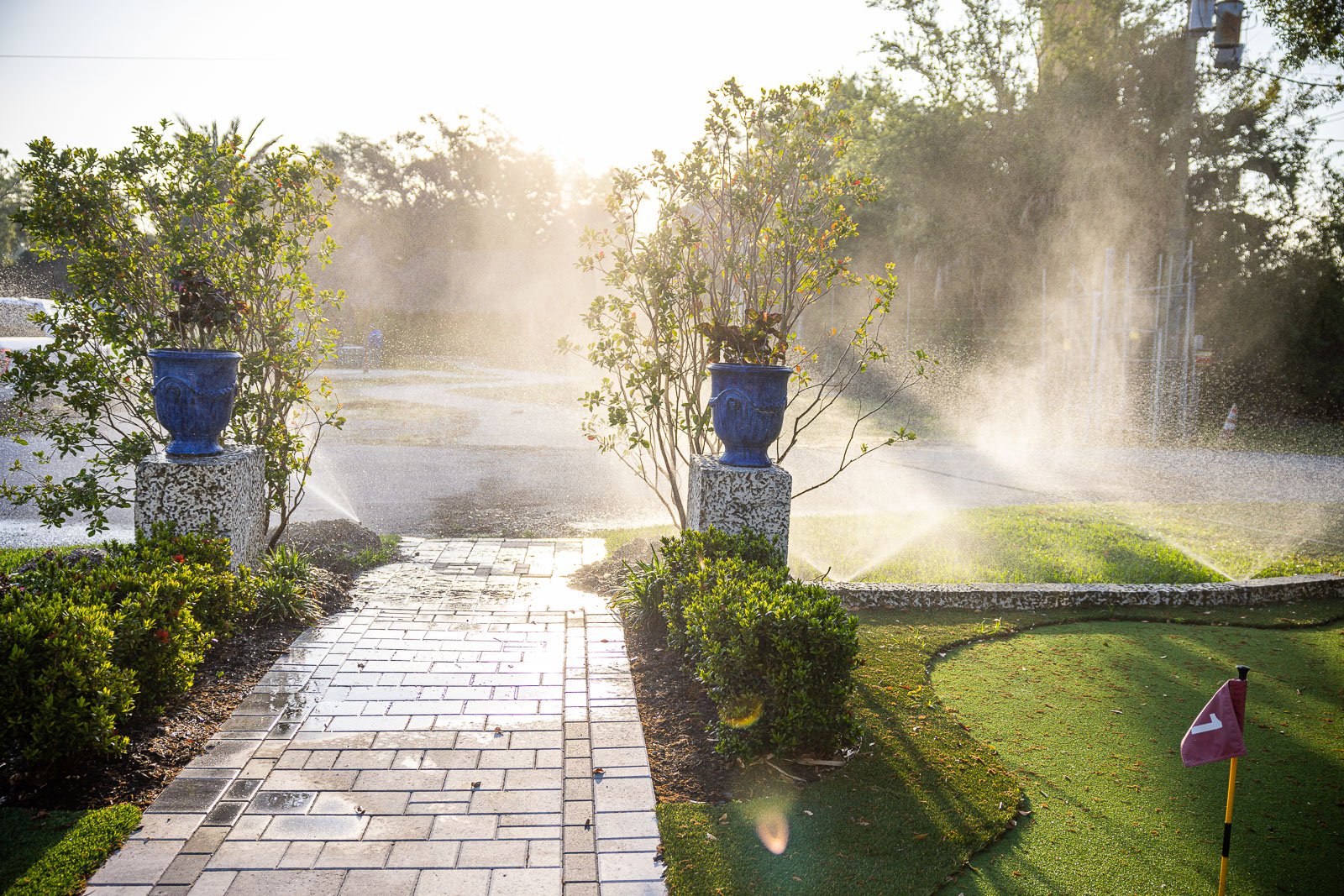
Remember, that precious water drains down through sandy soil quickly, which means you need to water less at a time, but more frequently.
Your goal: three watering sessions each week, either from rain or irrigation, of at least one inch of water.
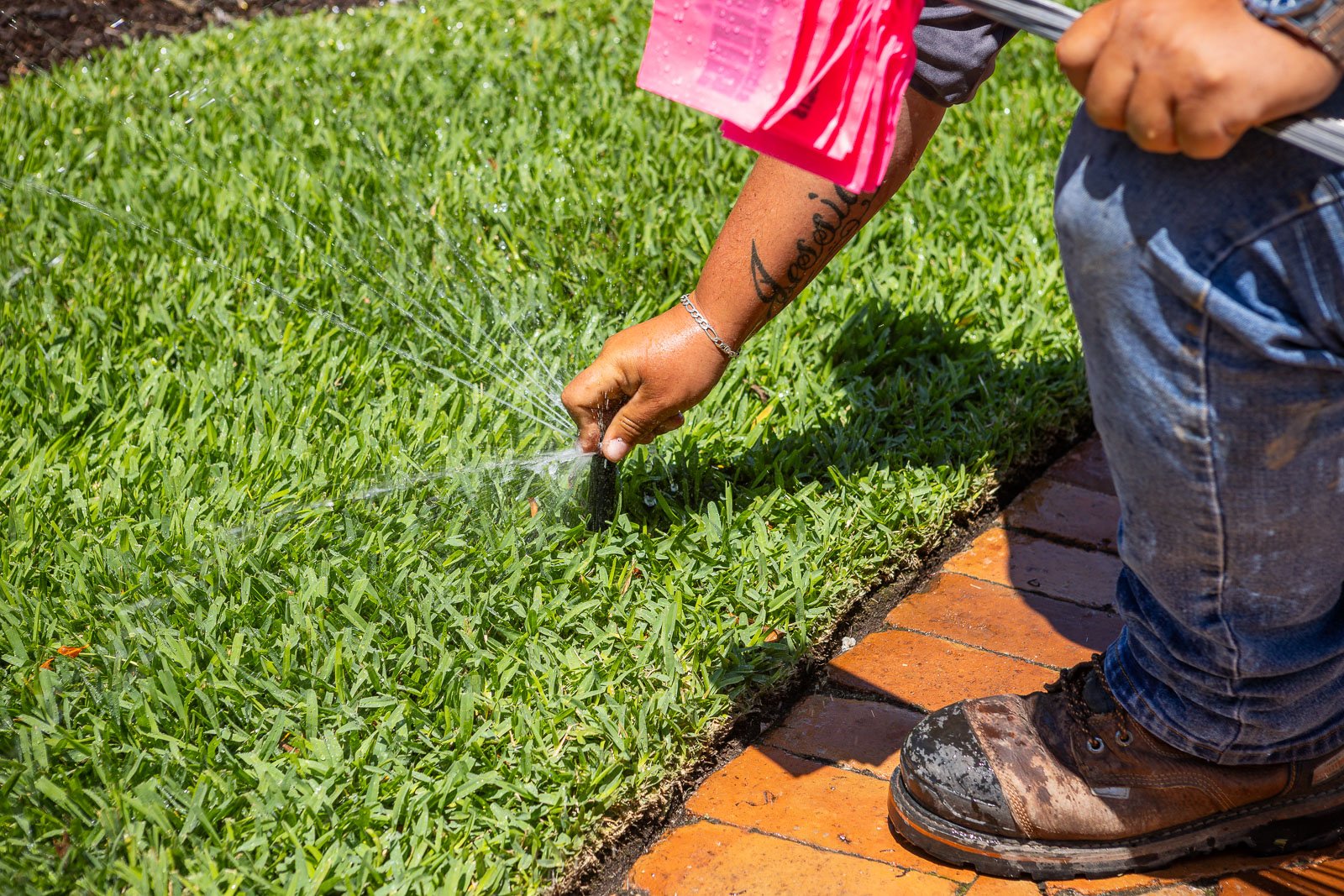
Sarasota water restrictions can mess up this perfect plan, so make sure your irrigation system is equipped with low-volume sprinkler heads, drip irrigation, or you use reclaimed water. Then you’re allowed to water more frequently than the poor saps with old, outdated irrigation systems.
Oops, you’re one of those poor saps? Good news: You can easily upgrade your current irrigation system to low-volume heads.
How to Fertilize Your Sarasota Sandy Soil Lawn
When you're dealing with Sarasota sandy soil gardening, the same thing happens to fertilizer as it does with water. Those important nutrients your lawn needs flow right through the sand. That means much of your fertilizer ends up in our groundwater supply instead of feeding your lawn. That’s not what you had in mind.
But if you’re strategic about how you fertilize, you can avoid this sad sandy soil situation. (We told you there’d be lots of S’s.)
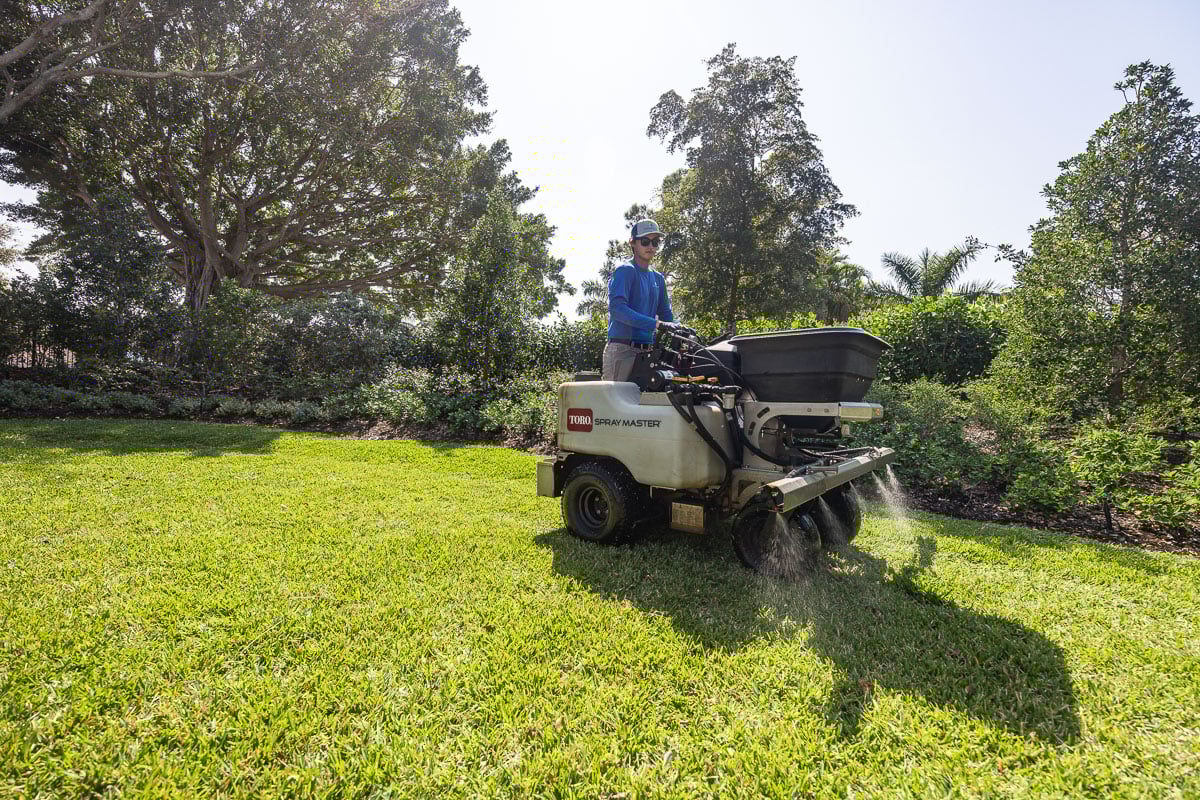
Your Sarasota lawn needs more frequent fertilizing, but with smaller amounts. That way it can actually reach the lawn’s roots instead of quickly flowing right through into the groundwater.
Here’s where the lawn care company you choose is important. Many companies offer 4-6 fertilizer visits throughout the year. That’s just not enough for lawns growing in sandy soil.
Partner with a Sarasota landscaping company that visits more often. Tropical Gardens pros visit once a month for 8-10 months of the year, applying smaller amounts of nutrients more often so they can really take hold in your sandy soil lawn.
Bonus: these more frequent visits allow us to look out for other issues in your landscaping, too, from weed control to banishing bugs.
A quick note: Your plants need this more frequent fertilizing, too.
Salt-Tolerant Plants In Sarasota
Moving on to our second S situation: salt. It’s fantastic on a warm tomato fresh from the garden. Or on crunchy corn on the cob. But plants that are still in the soil hate it.
At least, most plants do. Native plants that are from here originally have adapted to the salty conditions and manage to thrive.
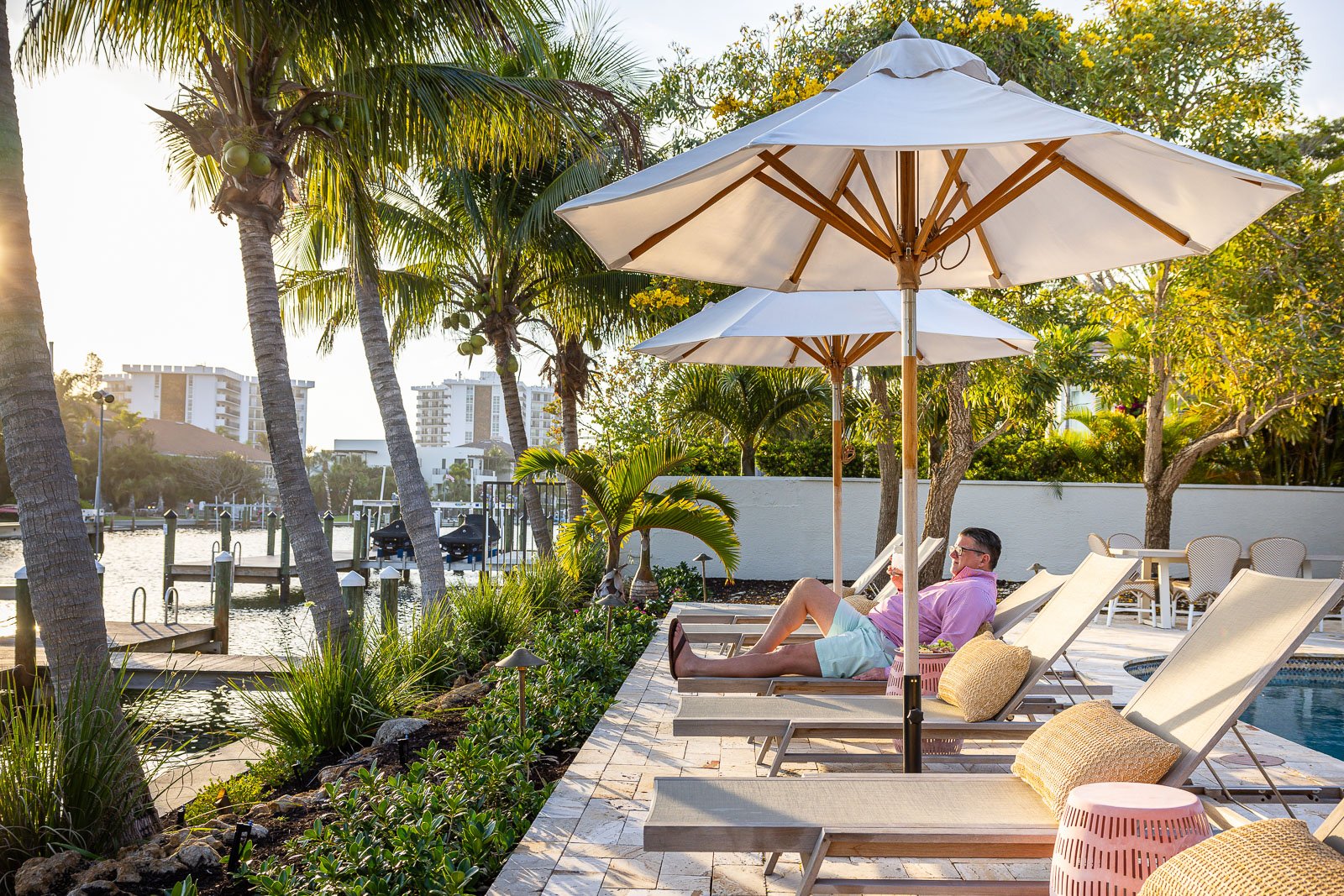
Let’s meet a few that can stand up to Sarasota landscaping challenges:
1. Green Buttonwood
There’s a green buttonwood and silver buttonwood, both coastal evergreens with small brown berries that look like wood buttons. They tolerate salty soil as well as saltwater and wind, making them ideal for Florida coastal landscaping.
2. Screw Pine
The screw pine naturally grows on the seashore and around tidal lagoons, so it has no trouble with salt.
It makes a great dramatic accent in your landscaping, too, growing in a cool swirly pattern, with old leaf scars encircling the stems.
3. Railroad Vine
Don’t let its rugged name fool you.
It’s tough, but pretty, with showy purple flowers that attract bees and butterflies.
A fast-growing evergreen perennial commonly found on beach dunes, railroad vine is often used in beach restoration and stabilization.
4. Hibiscus
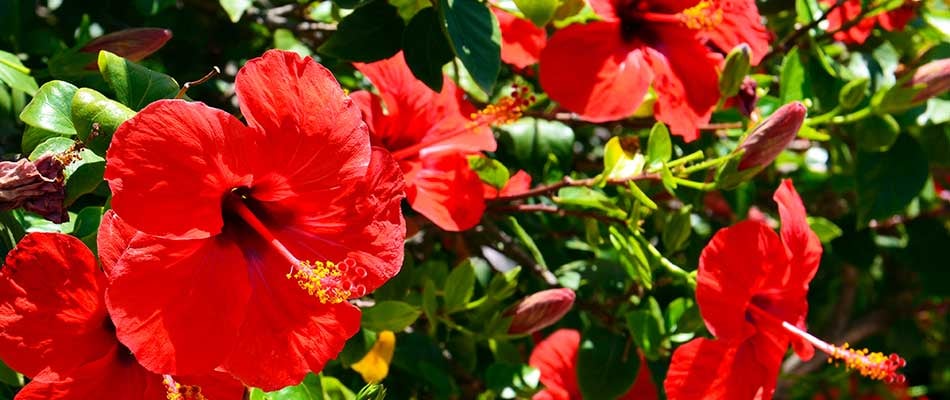
This one might surprise you. It’s spectacular, with huge beautiful flowers. But it’s also a great Sarasota salt-tolerant plant, tough enough to withstand salt spray and salt air.
5. Native Palms
All Florida palms are at least somewhat salt tolerant. But your best bet is native palms, including the Sabal palm, Florida’s state tree.
6. Shady Lady Black Olive
Lush layers of tiny leaves on zigzagged stems makes the Shady Lady one of the most beautiful trees in South Florida. Bonus: it tolerates salty coastal conditions.
It grows in layered tiers with a distinct space between each set of horizontal branches. This one’s a keeper even if you don’t struggle with salt issues.
Sun-Resistant Landscaping in Sarasota
Our third S is no surprise: sun. The sun can be relentless here. That means your landscape plants can experience leaf scorch or wilting, or just plain die from dehydration if they don’t get enough water.
It’s really important to use plants in your Sarasota landscaping that can stand up to the sun. A few sun-loving Florida favorites:
- Bougainvillea
- Hibiscus
- Pitch apple
- Blue daze
- Petite ixora
- African iris
Sun Makes Plants Extra Thirsty
One of the best Florida coastal landscaping tips is to stay on top of your watering.
But there’s a specific strategy here.
Give your plants plenty of water at the beginning when you plant them, then ease back on the watering so their roots have to dive deeper into the soil to get a drink.
You want those plant roots to have to reach deep into the soil for water, so they develop into deep, strong roots. If you water too much, plant roots get lazy, easily finding water right at the surface. Then they become shallow and weak, and less able to stand up to stresses like scorching sun.
Leave the Sun, Salt and Sand to Us
If you weren’t worrying so much about the stress of sun, sand and salt on your landscaping, you could actually have some fun out there in the three S’s.
Bask in the sun. Build a sandcastle. Salt the rim of a margarita glass.
It’s a great reason to get on board with a comprehensive landscape maintenance program, so horticulture experts will catch things like too much sun, not enough water, or damage from salt air.
Many landscaping failures in coastal Florida are due to planting the wrong plants for the site and improper irrigation. Partner with pros who know how to navigate your challenging landscape conditions.
Frequently Asked Questions About Sarasota Landscaping Challenges
Q: How much sun a day is considered “full sun?”
A: When a plant tag tells you a plant needs “full sun,” that typically means 6-8 hours of sunlight. But it’s a bit tricky. There’s a difference between morning sun and afternoon sun.
Afternoon sun is stronger, so even if a plant that likes full sun doesn’t start getting sun until noon, that’s still considered full sun. The rays are stronger.
If a plant needs full sun, but only gets the morning’s rays, that may not be enough sun for it to thrive.
Q: How do you know if your plants are getting too much sun?
A: Take a close look. Is your plant’s color fading? Are its leaves turning brown or look burned?
It might be getting too much sun. But those signs could also mean other problems. Partner with a plant health care pro who can help diagnose your plant issues and know exactly what to do about them.
Q: What should you do if a storm surge floods your lawn with saltwater?
A: Act quickly. Turn on your irrigation system right away, if possible, to start flushing out the salt. Then run it every day for two weeks.
The fresh water helps push the damaging saltwater deeper into the soil, below the root line.
Q: How do you know what plants will survive Sarasota’s sunny, sandy, salty conditions?
A: Well, that’s why we’re here. A skilled designer will make sure you get the right plants for your yard’s conditions, so they thrive.
But here’s a cheat sheet: use native plants.
Native plants are from here, so they’ve adapted to withstand the sun, sand and salt that our Sarasota climate throws their way. And because native plants love their natural environment, that means they need less water, fertilizer and pesticides to thrive. Bonus!
Frustrated by Sunny, Sandy, Salty Sarasota Landscaping Challenges? Talk to Us
Southern Florida doesn’t make lawn and plant care easy.
But we do.
Not sure what plants will stand up to Sarasota’s sun, sand and salt? Ready to enjoy your outdoor space without stress?
Tropical Gardens offers coastal landscaping services in Sarasota that make it easy.
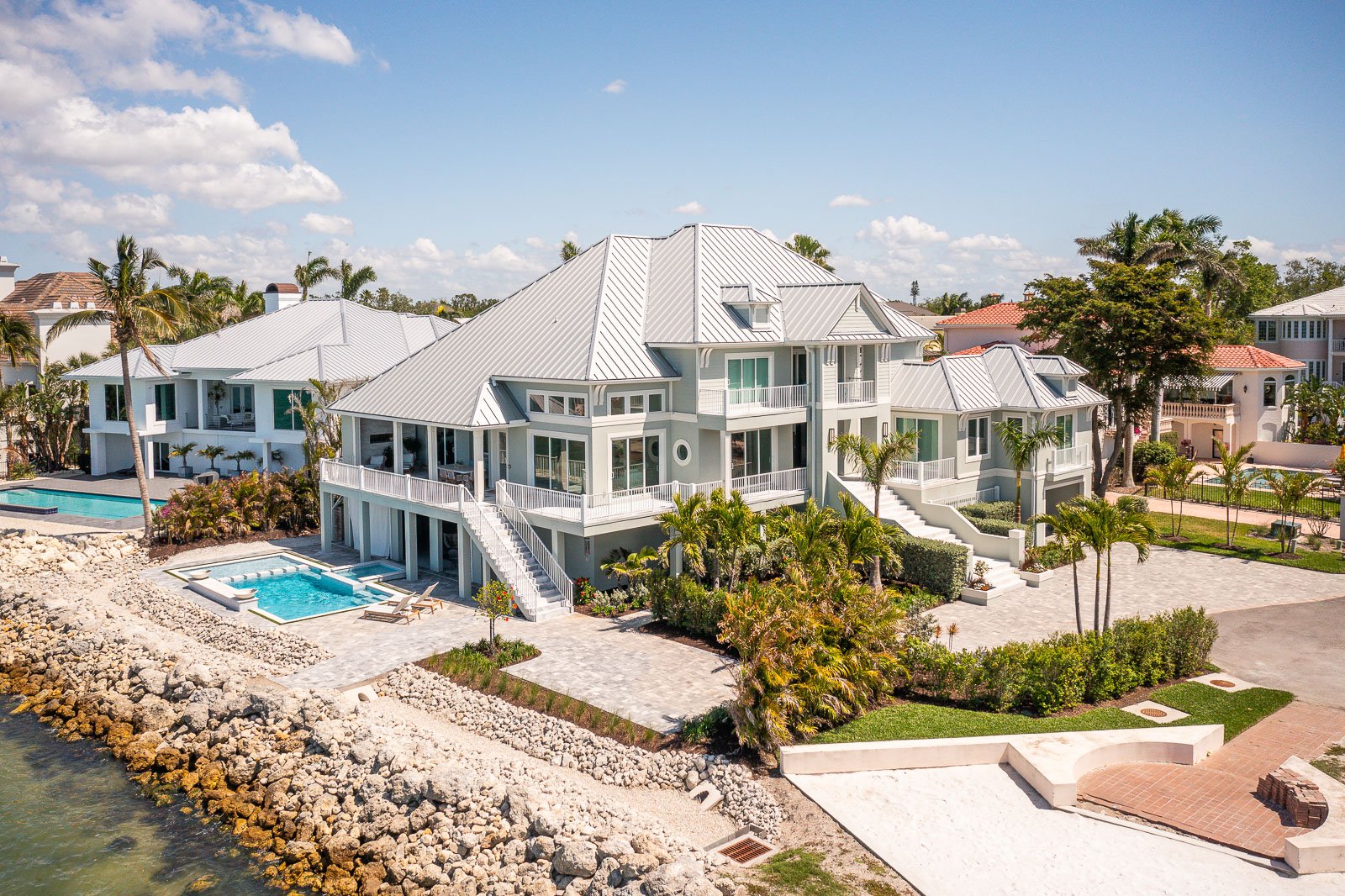
Our landscape design teams can create the backyard tropical paradise you crave, with just the right plants and sod for your yard’s conditions. Then, our residential maintenance team can keep it all healthy and thriving.
Let’s get started.
Give us a call or fill out our form today! Sun? Salt? Sand? We’ll help you figure it all out. Our team of Sarasota designers can’t wait to dive in. Seriously.
